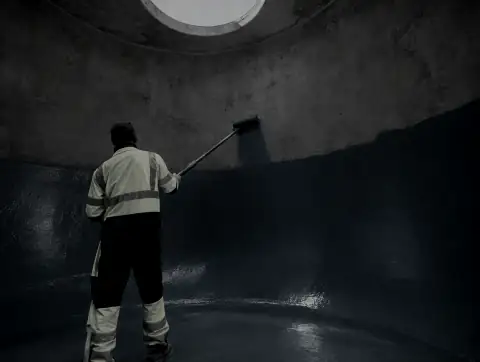
Epoxy tank lining in Second Industrial Area
Epoxy tank lining in the Second Industrial Area starts with a photo of the tank walls and floor, sent by call or WhatsApp. Resin coating on the walls and floor stops losses through pores and cracks.
The area contains industrial buildings, warehouses and workshops, which use large water tanks for daily operations. Concrete in these tanks is subject to repeated use, and pores and joint cracks appear over time. Epoxy needs a clean, dry surface before coating, which the photos reveal before work begins. The photos also show whether this method suits your tank.
- The Second Industrial Area is an industrial zone in the Eastern Province, lying close to the First and Third Industrial Areas.
- An industrial tank sees continuous use, so the coating is affected by water movement and cleaning.
What the service covers in Second Industrial Area
- Rinsing the tank after full cure before it is refilled
- Closing the coating around pipe entries and the drain opening
- Checking the interior walls, the floor, the joints and the pipe entries
- Treating hairline cracks and crumbling joints before application
How we carry out epoxy tank lining in Second Industrial Area
Send photos of the tank
On WhatsApp: photos of the interior walls, the floor, the joints and the pipe entries, so we can read the surface and decide the right treatment.
Empty and clean the tank
The tank is emptied completely and cleaned of deposits, algae and dirt, because epoxy will not bond to a wet or contaminated surface.
Prepare the surface and treat cracks
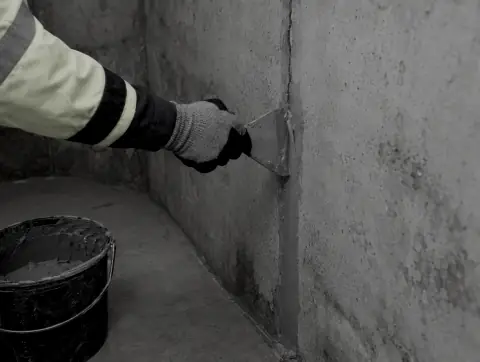
Hairline cracks and joints are treated, any weak layer is removed, and the surface is left completely dry before the primer and the epoxy coats go on.
Apply the epoxy and let it cure
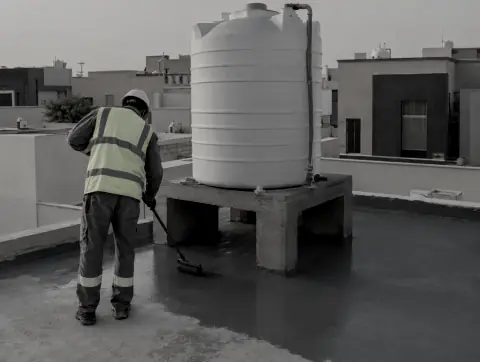
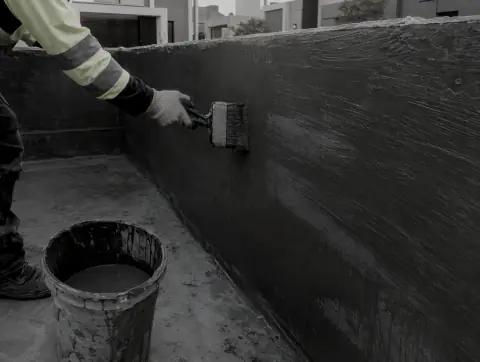
Primer goes on first, then the epoxy coats are applied to the walls and floor. The lining is left to cure, then the tank is rinsed thoroughly before it is refilled.
Why Abraj Al Azl?
Stops water loss through the concreteThe coating seals the pores and hairline cracks that allow slow water loss without any obvious visible leak.
Start from Second Industrial Area with one messageSend us photos of the spot on WhatsApp and we will work out the next step with you.
Epoxy tank lining in Second Industrial AreaWe choose the method and the materials once we know the condition of the spot.
We reply 5 AM to 10 PMSaturday to Thursday, and Friday on its own hours.
Some of our work

















What our customers said
ماشاء الله تبارك الرحمن عزل اسطح ممتاز
ماشاء الله عملهم للعزل والتسريبات ممتاز وخبره ودقه في العمل انصح بالتعامل معهم
أفضل شركة عزل اسطح الفوم وخزانات المياه
Real Google reviews, shown exactly as their authors wrote them.
Common questions on epoxy tank lining in Second Industrial Area
Is epoxy suitable for industrial tanks in this area?
It may, if the tank is concrete and relatively sound. The photos reveal the surface condition, and we will tell you if extra preparation is needed.
What information do I need to start a request?
Clear photos of the tank's interior and a short description of its use and location. Send them by call or WhatsApp and we will begin the review.
What should I send you from Second Industrial Area?
Send clear photos of the spot and a short description of the problem on WhatsApp, mention that you are in Second Industrial Area, and we will work out the next step with you.
Does the tank need cleaning before epoxy lining?
Yes, and this step cannot be skipped. Algae, lime deposits and dirt stop the epoxy bonding to the surface, leaving the lining weak and likely to detach early. Tank cleaning is a separate step that comes before the lining, and you can ask about it separately.
How long must the tank stay empty before it is refilled?
The epoxy needs enough time to dry and cure fully before it contacts water, and the tank is then rinsed once or more before use. The time depends on the type of epoxy and the air temperature, and we confirm it when the job is agreed.
What is the difference between epoxy and cementitious coating for tank internal waterproofing?
A cementitious coating is mineral-based, tolerates a damp surface and is naturally compatible with concrete, but it is less hard and leaves a rougher finish. Epoxy is harder and smoother and carries internal water pressure better, but it requires a completely dry surface. The choice depends on the tank's condition and how much moisture is in the walls.
The same service in nearby areas
We also offer epoxy tank lining in First Industrial Area, Third Industrial Area and Industrial Area, among the closest areas to Second Industrial Area.
More services in Second Industrial Area