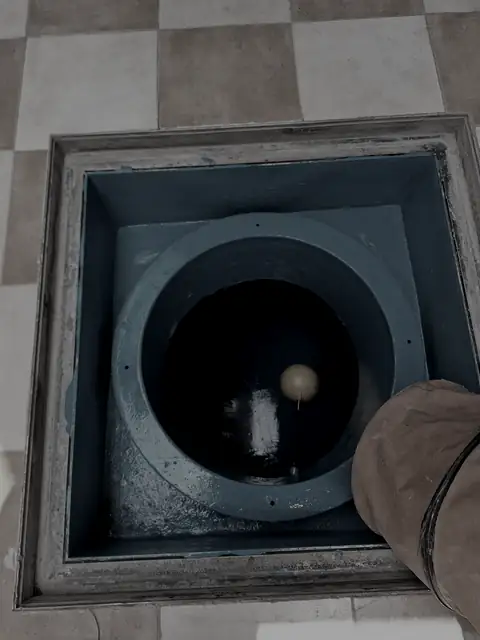
What tank waterproofing covers
- Inspecting the tank inside and outside and locating the leak source
- Emptying the tank and cleaning the surface of deposits and scale
- Treating hairline cracks and deeper cracks separately
- Sealing joints and pipe entries before the lining is applied
- Applying the right waterproof layer and leaving it to cure
- Checking the surface once dry before the tank is refilled
How tank waterproofing works
Send photos of the tank
On WhatsApp: photos of the tank from inside and outside, the damp patches, and the pipes and their entry points, so we can read the leak and decide the right treatment.
Empty and clean the surface
The tank is emptied and the surface is cleaned of deposits and scale. It is then dried or left damp depending on the lining chosen, because adhesion starts with a clean surface.
Treat cracks, joints and pipe entries
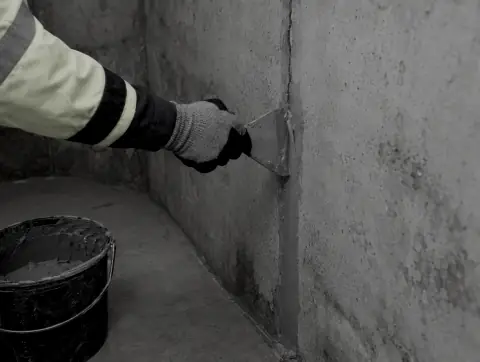
Hairline cracks and deeper cracks are treated separately, the joints between the walls and the floor are sealed, and the pipe entries are closed before the main waterproof layer goes on.
Apply the lining and allow it to cure
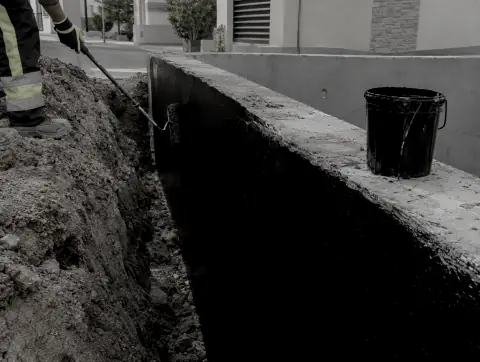
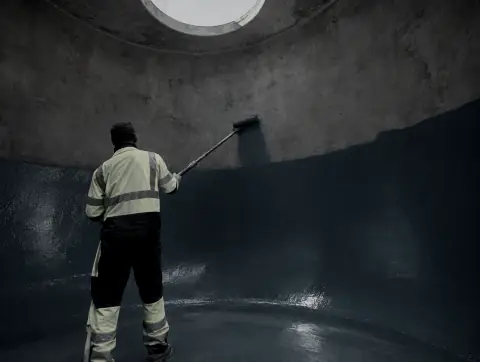
The waterproof layer is applied to the inside, the outside or both faces depending on the situation, then left to cure fully before the tank is refilled.
Why Abraj Al Azl?
The water loss stopsClosing the pores, cracks and joints stops the tank losing water through the concrete and its weak points.
The walls and soil stay dryWaterproofing the outside face protects the neighbouring walls and the soil from the moisture that would otherwise work its way to the reinforcement.
We reply 5 AM to 10 PMSaturday to Thursday, and Friday on its own hours.
Talk to us directlyCall or WhatsApp on the same number.
Some of our work

















What our customers said
ماشاء الله عملهم للعزل والتسريبات ممتاز وخبره ودقه في العمل انصح بالتعامل معهم موفقين يارب
أفضل شركة عزل اسطح الفوم وخزانات المياه
ماشاء الله تبارك الرحمن عزل اسطح ممتاز
Real Google reviews, shown exactly as their authors wrote them.
Questions about water tank waterproofing
What is the difference between a cementitious coating and epoxy for a tank?
A cementitious coating is a mineral material brushed or trowelled on and cured with surface moisture. It suits damp concrete. Epoxy is a two-part resin applied to a clean, dry surface to give a hard, smooth lining. The choice depends on the surface condition, how much moisture is present and the nature of the leak. Photos help us decide which fits.
Can a tank be waterproofed from the inside only?
In many cases the inside lining is enough to stop the loss. But if groundwater is pressing from outside, an inside layer alone faces reverse pressure that can lift it. Here waterproofing the outside face, or both faces, may be needed. The location and condition determine which is right.
What are the signs of a leak in a concrete tank?
A falling water level with no consumption that explains it, damp patches on the outer walls or the surrounding floor, cracks or white salt deposits on the concrete surface, and sometimes a faint dripping sound. The earlier the treatment the less it costs the structure as a whole.
How is an overhead tank treated when it drips onto the roof below?
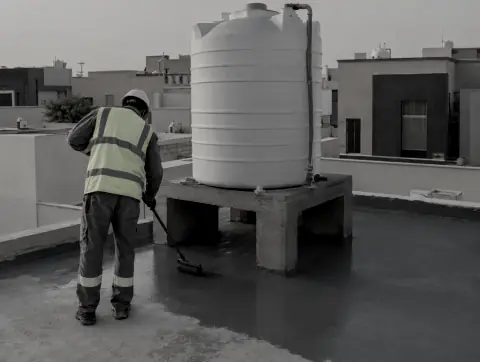
Treatment starts at the tank base and the pipe entries, then the inside is lined. The roof surface around and under the base is usually treated as part of the same job because that is where the drips collect. Full details for that type of tank are in the overhead tank waterproofing section.
What decides the cost of waterproofing a tank?
The tank size, how many faces need treating, the surface type and condition, the depth of the cracks, which lining material suits the situation, and how easily the tank can be reached. Send photos and rough dimensions on WhatsApp and we will set out the right treatment.
Does fibreglass tank lining use the same methods as concrete tanks?
Fibreglass tanks have a different surface from concrete. A cementitious coating does not suit them. The treatment depends on preparing the surface in the way that fits the tank material before any layer is applied. Send a photo of the tank and its type and we will advise the right approach.
Does the house need to be vacated while the tank is waterproofed?
The house does not usually need to be vacated, but the tank must be empty and the water supply to it cut off for the whole time the work is being done and the lining is curing. We tell you how long you will need an alternative water source when the job is agreed.
Areas for water tank waterproofing
Choose your area to open the page for this service there.
Services in Water tank waterproofing