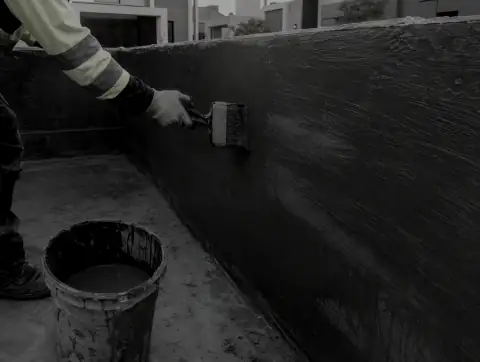
Cementitious tank waterproofing in Al Wahah (near Qatif)
The cementitious layer in a tank is a mineral coat applied to its walls, floor and joints, and the work begins when photos are sent by call or WhatsApp. We serve Al Wahah, a district of the Eastern Province near Al Wurud, Ar Rida and Ar Rawdah, where many houses keep a tank on the roof.
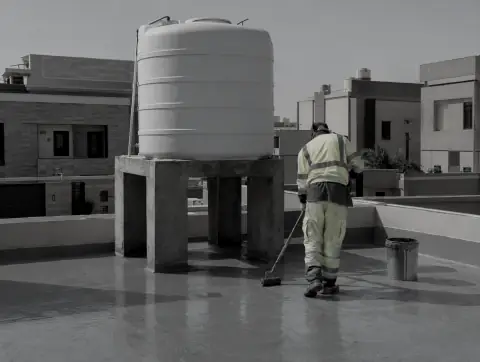
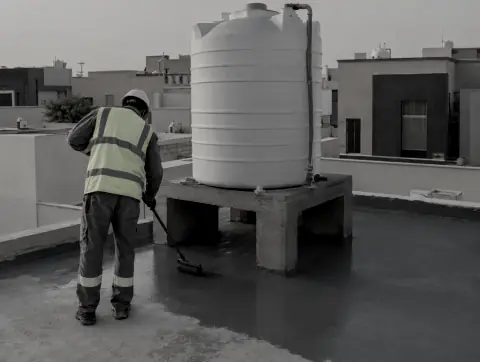
Al Wahah is a district of houses and smaller buildings, and many keep a tank on the roof where it takes strong sun. Heat makes the tank's surface expand and contract, which can open hairline gaps where the walls meet the floor. A roof tank often needs its overflow, cover and pipe fixings checked as part of the same job, so we review these points in the photos before agreeing any coating.
- Al Wahah is a district in the Eastern Province, close to Al Wurud, Ar Rida and Ar Rawdah, where houses and smaller buildings are common.
- Roof tanks take the most sun, so their joints can age sooner than those of ground tanks.
The scope of the work in Al Wahah (near Qatif)
- Emptying the tank, cleaning the surface and removing any crumbling old layer
- Closing the waterproofing around pipe entries and the tank base
- Treating cracks and joints before the coating is applied
- Checking the inside walls, the floor, the joints and the pipe entries
This is how we work in Al Wahah (near Qatif)
Send photos of the tank
On WhatsApp: photos of the inside and outside walls, the tank base, the pipe entries and the joints, so we can read its condition and decide the right treatment.
Empty and prepare the surface
The tank is emptied and cleaned, the old or crumbling layer is cut back, then cracks, joints and pipe entries are treated with compatible materials before the coating goes on.
Apply the cementitious coating
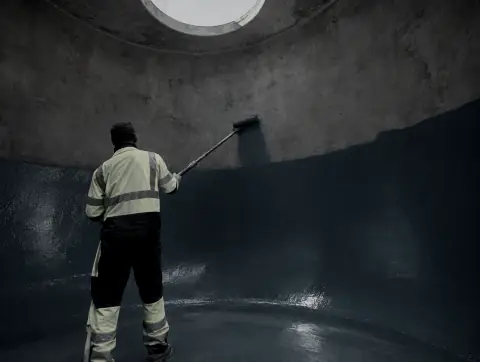
The coating is brushed or trowelled onto the walls and floor in layers, with care at corners, joint edges and pipe entries, depending on the surface condition and the depth of the porosity.
Cure with moisture
The coating is left to cure, and a little ambient moisture is kept around it, because the chemical reaction that bonds it to the concrete needs moisture rather than complete dryness.
Why Abraj Al Azl?
It bonds on a damp surfaceUnlike coatings that need a fully dry base, the cementitious layer works with the moisture already in the concrete and bonds through it.
Start from Al Wahah (near Qatif) with one messageSend us photos of the spot on WhatsApp and we will work out the next step with you.
We serve Al Wahah (near Qatif) and around itIncluding Al Wurud (near Tarout), Ar Rida and Ar Rawdah (near Tarout), as part of our work across the Eastern Province.
We reply 5 AM to 10 PMSaturday to Thursday, and Friday on its own hours.
Some of our work

















What our customers said
أفضل شركة عزل اسطح الفوم وخزانات المياه
ماشاء الله عملهم للعزل والتسريبات ممتاز وخبره ودقه في العمل انصح بالتعامل معهم
ماشاء الله تبارك الرحمن عزل اسطح ممتاز
Real Google reviews, shown exactly as their authors wrote them.
Questions about cementitious tank waterproofing in Al Wahah (near Qatif)
Why does a roof tank crack when the weather changes?
Sun heats the tank's surface by day and it cools at night, which can open small cracks at the joints. A coating can seal those joints, but the photos decide whether the cracks are surface-level or deeper in the structure.
Do you coat roof tanks at houses in Al Wahah?
Yes, we serve Al Wahah. Send photos of the tank on the roof, its cover and the pipes around it, and tell us how you reach the roof so we can plan the work safely.
Is the cementitious coating right for both roof tanks and ground tanks?
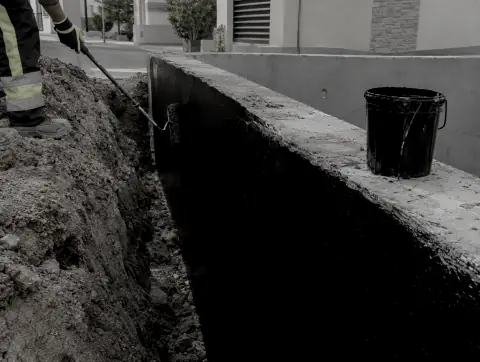
It works inside both. For a ground tank there may also be a need for external waterproofing if outside pressure from wet soil is high, and that is assessed from photos and the site. For a roof tank the effect of sun and heat on the outside is a separate consideration.
Do you offer cementitious tank waterproofing in Al Wahah (near Qatif)?
Yes. Al Wahah (near Qatif) is within our service area in the Eastern Province, and we also work in Al Wurud (near Tarout), Ar Rida and Ar Rawdah (near Tarout). Call us or send photos of the spot on WhatsApp.
How are cracks treated before the cementitious coating goes on?
Hairline cracks are covered as the coating is brushed in and pressed into the crack. Wider cracks are opened out first, then filled with a compatible cementitious material or a flexible sealant depending on whether the crack moves, and the coating goes over them once they have set.
What is the difference between a cementitious coating and an epoxy lining for tanks?
The cementitious coating reacts with damp concrete and is chemically compatible with it, and it is flexible enough to take hairline cracks. Epoxy needs a dry, profiled surface and gives a hard smooth finish. When the tank is damp, below ground or highly porous, a cementitious coat may suit better. Send photos and we will advise which fits.
Cementitious tank waterproofing near Al Wahah (near Qatif)
If the site is outside Al Wahah (near Qatif), the same service is available in Al Wurud (near Tarout), Ar Rida and Ar Rawdah (near Tarout).
More services in Al Wahah (near Qatif)