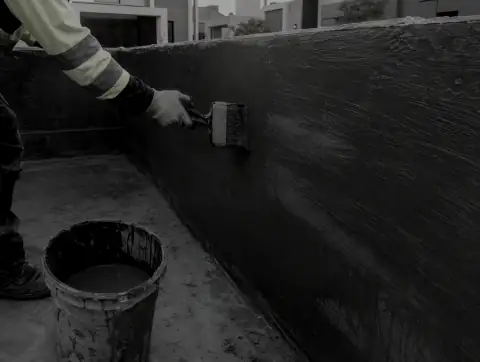
Cementitious tank waterproofing in Al Batha
In Al Batha, cementitious tank waterproofing begins with clear photos of the tank sent via WhatsApp or a call, showing any existing leaks or cracks. The village has separate houses and compounds relying on their own water tanks, each with needs matching its age and condition.
Tanks in Al Batha vary widely in age, size and material, some built years ago and some newer. Fine cracks and slow leaks are common in older tanks, especially at joints between sections and pipe entries. A mineral coating fills these gaps and forms a tight water barrier across the entire interior surface. Method choice depends on what the photos show about damage extent and affected areas.
- Al Batha is a small village in the Eastern Province, near As Sikak, Salwa and Mehdar, with houses distributed across open land.
- Tanks in coastal and near-coastal villages are affected by high humidity, which can cause external corrosion and internal leaks at once.
The main items of cementitious tank waterproofing in Al Batha
- Closing the waterproofing around pipe entries and the tank base
- Letting the layer cure with the right moisture before the tank is refilled
- Applying the cementitious coating to the walls, the floor and all corners
- Checking the inside walls, the floor, the joints and the pipe entries
The steps of cementitious tank waterproofing in Al Batha
Send photos of the tank
On WhatsApp: photos of the inside and outside walls, the tank base, the pipe entries and the joints, so we can read its condition and decide the right treatment.
Empty and prepare the surface
The tank is emptied and cleaned, the old or crumbling layer is cut back, then cracks, joints and pipe entries are treated with compatible materials before the coating goes on.
Apply the cementitious coating
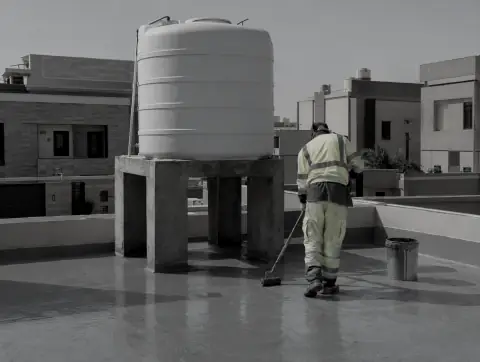
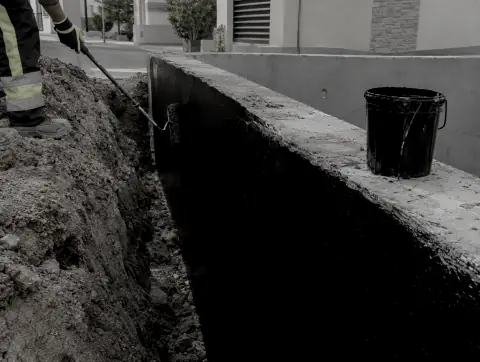
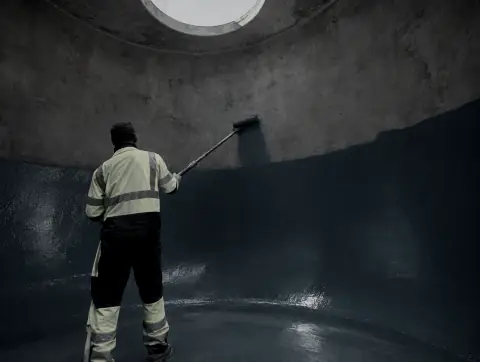
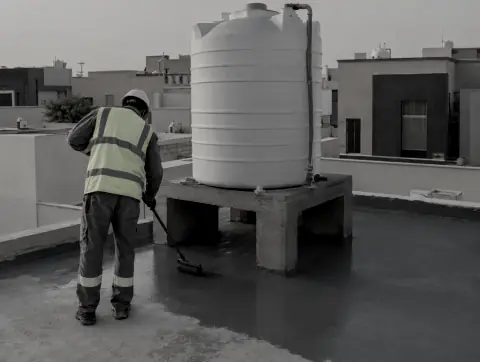
The coating is brushed or trowelled onto the walls and floor in layers, with care at corners, joint edges and pipe entries, depending on the surface condition and the depth of the porosity.
Cure with moisture
The coating is left to cure, and a little ambient moisture is kept around it, because the chemical reaction that bonds it to the concrete needs moisture rather than complete dryness.
Why Abraj Al Azl?
It seals the pores, not just covers themThe mineral material works into the concrete structure and fills the pores, making the concrete itself denser and less permeable.
Start from Al Batha with one messageSend us photos of the spot on WhatsApp and we will work out the next step with you.
We serve Al Batha and around itIncluding As Sikak, Salwa and Mehdar, as part of our work across the Eastern Province.
Talk to us directlyCall or WhatsApp on the same number.
Some of our work

















What our customers said
ماشاء الله عملهم للعزل والتسريبات ممتاز وخبره ودقه في العمل انصح بالتعامل معهم
ماشاء الله تبارك الرحمن عزل اسطح ممتاز
اتعاملت معاهم في العوازل عند كفيلي شغل يبيض الوجه انص التعامل معهم
Real Google reviews, shown exactly as their authors wrote them.
Before you book cementitious tank waterproofing in Al Batha
Can a minor leak in a tank be treated without full emptying?
That depends on the leak's location and size and whether you want clean water during work. The photos will show whether a partial treatment is possible or full emptying is needed to ensure a proper result.
Is mineral coating safe for drinking water in Al Batha?
Yes, mineral coating is designed for human water use and drinking. After full drying and thorough rinsing, the tank is safe for use again.
Is Al Batha within your service area?
Yes, Al Batha is one of the areas we work in, as are As Sikak, Salwa and Mehdar. To start, call us or message us on WhatsApp.
Can the coating be applied without fully emptying the tank?
No. The tank must be emptied, cleaned and its surface prepared before anything is applied. A little moisture inside the concrete structure does not stop the coating bonding, but water standing on the surface will. Emptying the tank is a basic condition for the layer to work.
What is the difference between a cementitious coating and an epoxy lining for tanks?
The cementitious coating reacts with damp concrete and is chemically compatible with it, and it is flexible enough to take hairline cracks. Epoxy needs a dry, profiled surface and gives a hard smooth finish. When the tank is damp, below ground or highly porous, a cementitious coat may suit better. Send photos and we will advise which fits.
How are cracks treated before the cementitious coating goes on?
Hairline cracks are covered as the coating is brushed in and pressed into the crack. Wider cracks are opened out first, then filled with a compatible cementitious material or a flexible sealant depending on whether the crack moves, and the coating goes over them once they have set.
More services in Al Batha