What the ceramic coat work covers
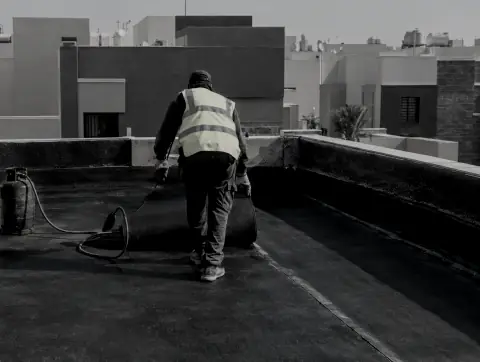
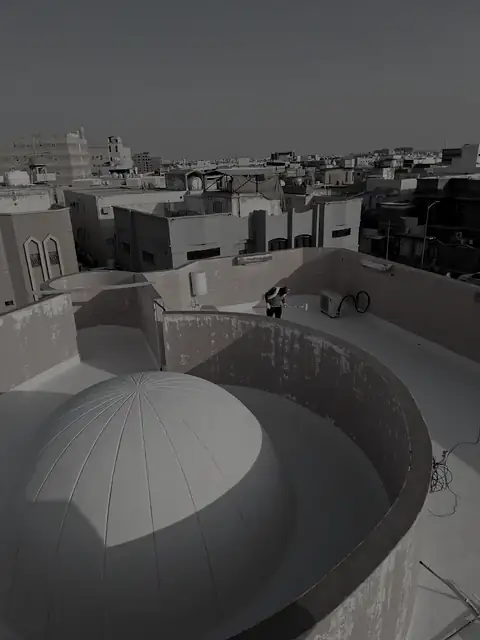
- Checking the roof surface and assessing whether a ceramic coat fits
- Cleaning the surface of dust and dirt before application
- Treating visible hairline cracks and joints
- Applying the reflective protective coat over the whole surface
- Turning the coat up at the parapet, AC bases and tank stands
- Closing the coat around drain openings and any transition points
How the work goes, step by step
Send photos of the roof
On WhatsApp: photos of the whole roof, any visible cracks, the AC bases, the parapet and the drains, so we can read the surface and confirm a ceramic coat fits this roof.
Clean the surface and treat the cracks
The surface is cleaned of dust, dirt and any grease, and hairline cracks and joints are treated before the coat goes on, so it bonds properly to an even surface.
Apply the protective coat
The coat is applied over the whole surface, turned up at the parapet and taken around the AC bases, tank stands and drain openings, depending on the material and the surface condition.
Cure and set
The coat is left to dry and cure in the open air. Once set, the surface is ready for use and the layer begins reflecting radiation and protecting the concrete beneath.
Why Abraj Al Azl?
Concrete shielded from the sunThe reflective coat reduces repeated thermal expansion, which is what opens hairline cracks and weakens the concrete over time.
Less heat inside the buildingA slab that reflects rather than absorbs radiation passes less heat to the room below, easing the load on the cooling system.
We reply 5 AM to 10 PMSaturday to Thursday, and Friday on its own hours.
Talk to us directlyCall or WhatsApp on the same number.
Some of our work

















What our customers said
ماشاء الله عملهم للعزل والتسريبات ممتاز وخبره ودقه في العمل انصح بالتعامل معهم موفقين يارب
ماشاء الله تبارك الرحمن عزل اسطح ممتاز
أفضل شركة عزل اسطح الفوم وخزانات المياه
Real Google reviews, shown exactly as their authors wrote them.
Questions about ceramic roof coating
Does a ceramic coat fix an existing roof leak?
No. A ceramic coat is placed on a sound roof to protect and reflect. Where there is an active leak or moisture reaching inside, a full waterproofing system that treats the source first is the right route. Send us photos of the roof and the interior stains on WhatsApp and we will advise which fits.
What is the difference between a ceramic coat and a bitumen membrane?
Bitumen rolls are a full waterproof system: layers bonded by heat or adhesive that cover the surface and turn up at the parapet to stop water. A ceramic coat is thinner, lighter and more reflective, but it is not placed instead of bitumen on a roof with a leak.
Can a ceramic coat go over a tiled roof?
It depends on the condition of the tiles and the joints. If the tiles are firm and the joints are sound the coat may go over them, but where a leak sits beneath the tiles the treatment starts under them, not above. Send photos on WhatsApp and tell us if any tiles are loose.
What decides the cost of coating a roof?
The roof area, its condition, the number of visible cracks, whether it needs heavy cleaning first, and how the site is reached. Send us photos and rough dimensions on WhatsApp and we will suggest the right treatment.
Do AC bases need special treatment when the coat is applied?
Yes. AC bases are a common weak point because the joint between the base and the concrete moves with heat. When the coat is applied those joints are treated and the coat is raised around each base to close any gap that could let water in.
Is a ceramic coat suited to a hot climate?
Yes. The intense heat and the large gap between day and night temperatures are exactly what opens hairline cracks and stresses the concrete in this region. A reflective coat reduces the effect of direct sun on the slab, and is the choice that suits a sound roof in this climate.
Areas for ceramic roof coating
Choose your area to open the page for this service there.
More in Roof waterproofing