A water tank works quietly, so we only notice it when something goes wrong.
But there are signs you can spot before that.
Signs that a tank needs inspecting
- The water level drops faster than usual, with no rise in use.
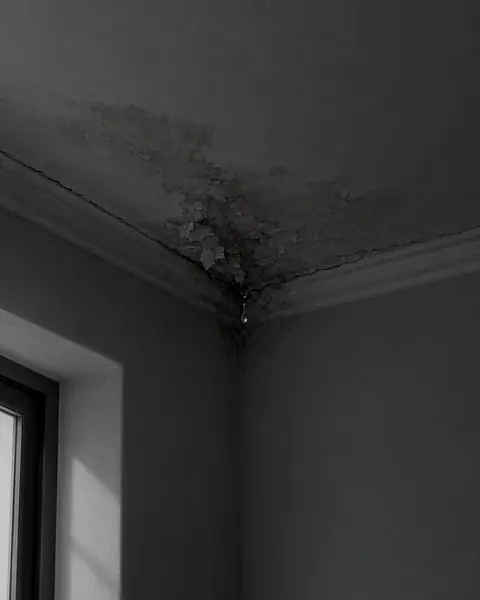
- Damp or water stains around the tank or on the ground next to it.
- Cracks or flaking on the walls or floor inside the tank.
- Salts or white marks on the concrete.
- Damp ground around an underground tank for no clear reason.
If the taste or smell of the water changes, the tank may need cleaning.
Cleaning is a different job from waterproofing.
Why waterproofing matters
A leak means water draining away from your tank.
It also means damp reaching the walls, the floor and the soil nearby.
And if the walls of an underground tank are cracked, water or dirt can get into it from outside.
Underground tanks and rooftop tanks
An underground tank sits in the soil, so water can leak out of it or into it without anything obvious showing.
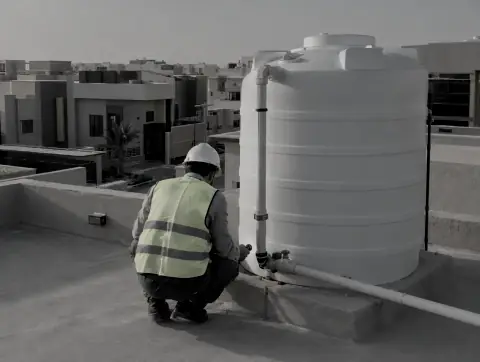
A rooftop tank is exposed to the sun and the weather, so its layers wear over time.
Each type is inspected and treated in its own way.
A simple level check
Note the water level at a time when nobody is using water, then come back to it a few hours later.
If the level has dropped while use has stopped, the leak is in the tank or in the pipes connected to it.
This check does not tell you where the leak is, but it tells you the tank is worth inspecting.
When is waterproofing the answer?
If water escapes through the tank wall, floor or cracks, the fix is waterproofing that suits the type of tank.
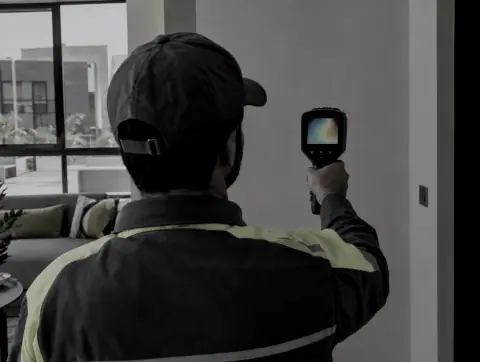
Before that, the tank must be inspected and the leak located.
Because the tank holds water you use, ask about materials suitable for drinking water.
When you should not wait
If the level is dropping fast, or water shows on the ground around the tank, do not put the inspection off.
Waiting means more water lost, and more damage to the structure around the tank.
Practical steps
- Watch the water level for a few days and write it down.
- Check around the tank and its pipes for damp.
- Photograph any cracks or stains you notice.
- Ask for an inspection before any treatment.
- Ask which waterproofing materials suit your type of tank.
Send us photos of your tank on WhatsApp and tell us what you noticed.