In summer the roof takes the sun's heat all day long.
That heat travels through the ceiling into the rooms below.
Thermal insulation is there to slow it down.
How does the heat get into the rooms?
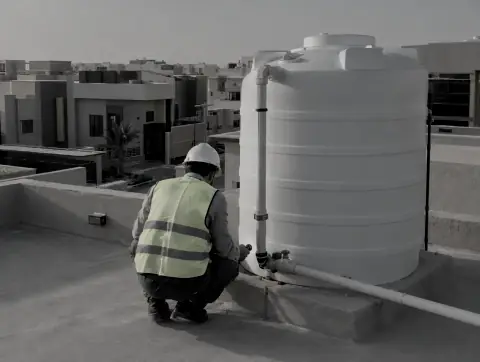
An exposed roof absorbs the sun's heat and warms up.
The heat then moves from the concrete into the ceiling, and from the ceiling into the air of the room.
The more sun the roof gets, the more heat passes through.
What does thermal insulation do?
- It reduces the heat passing from the roof into the house.
- It helps the top-floor rooms stay closer to the temperature of the rest of the house.
- It eases the load on the AC, so it works less hard to hold the temperature you set.
- It reduces the stress of expanding and contracting as the temperature swings between day and night.
How do you know your roof needs it?
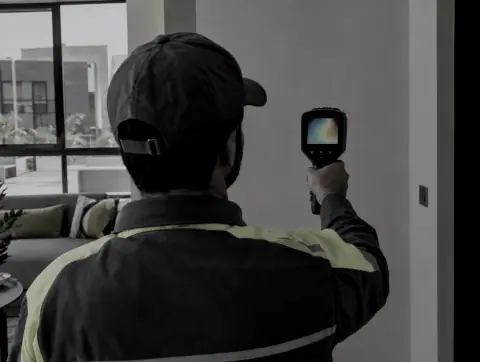
- The top-floor rooms are clearly hotter than the rest of the house.
- The AC runs for long hours and the room still does not cool the way you want.
- The ceiling of the room feels warm to the touch in the evening.
- The roof is exposed to the sun, with no insulation layer or only an old one.
Where is the effect clearest?
The effect is clearest in the rooms right under the roof, because they are closest to the source of the heat.
The lower floors are affected more by the outer walls and the windows.
So what you notice differs from one house to the next.
How is it different from waterproofing?
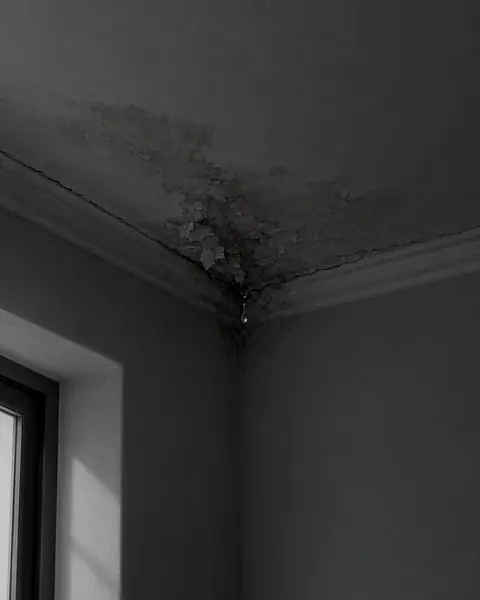
Waterproofing stops water from passing from the roof into the ceiling.
Thermal insulation reduces the passage of heat.
A roof may need one of them or both, depending on its condition.
Common ways to insulate against heat
- Insulating foam.
- Heat-insulating paints.
Each suits certain roofs. A specialist picks the right one after looking at the roof.
It does not replace AC maintenance
If the AC is old or needs servicing, it will still perform poorly, even under an insulated roof.
The same goes for a unit that is too small for the room.
Insulation is part of the answer, not all of it.
Before you decide
- Pin down the problem: heat, a water leak, or both.
- Photograph the roof so that its condition and size are visible.
- Ask which method suits your roof and the way the building is built.
- Make sure the roof has no cracks or damp before any new layer goes on.
If you are not sure where to start, send us a photo of your roof on WhatsApp.