Waterproofing in Western Arabian Gulf
Waterproofing in the Western Arabian Gulf area begins with WhatsApp photos of the roof, tank or pool. The district lies near the coast with mixed residential buildings, and coastal humidity increases the risk of leaks and dampness. We select the right waterproofing method with you based on the building's location and the specific problem.
The area has villas and older and newer apartment blocks on land close to the sea. Coastal humidity causes rapid deterioration of materials and joints, with cracks and leaks appearing faster than inland. Roofs, tanks and pools need strong waterproofing that resists humidity, salt and seawater. Seasonal rain reinforces the importance of tight sealing on all exposed surfaces. Photos help us see the level of dampness and damage before selecting the best solution.
- The Western Arabian Gulf is a district in the Eastern Province near the coast and other coastal areas, marked by high humidity and direct exposure to sea effects.
- Salt and coastal humidity accelerate erosion of concrete and metals in roofs and tanks near the sea.
What we do for you in Western Arabian Gulf
- Laying a continuous layer that turns up at the walls and closes at every opening
- Checking the surface and finding the entry points: cracks, joints and openings
- Choosing the right material for each location from cementitious coat, bitumen rolls, liquid membrane and epoxy
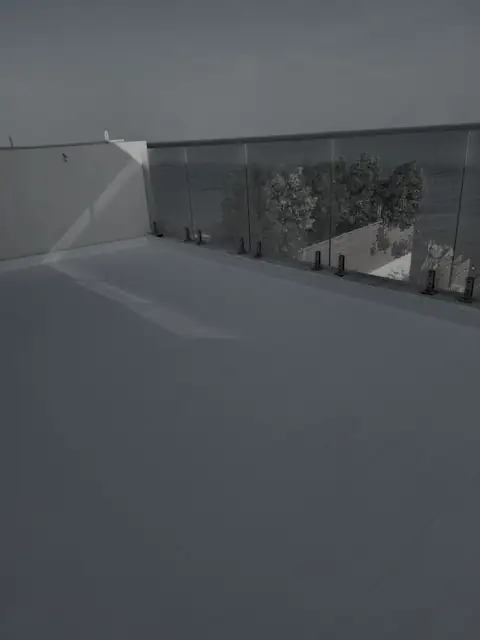
- Covering the waterproof layer with tiles or a protective coat to shield it from sun and wear
The steps of waterproofing in Western Arabian Gulf
Send photos of the problem
On WhatsApp: photos of the roof, wall, tank or bathroom with any visible stain or crack, so we can read the surface and point to the right material family.
Prepare the surface
The surface is cleaned of dust, oil and any old coating, and cracks, joints, drain openings and AC bases are treated, because any point left untreated becomes a future entry point for water.
Apply the waterproof layer
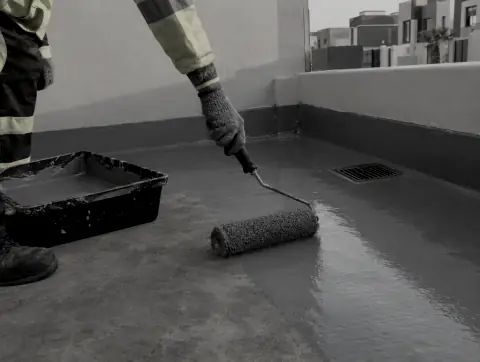
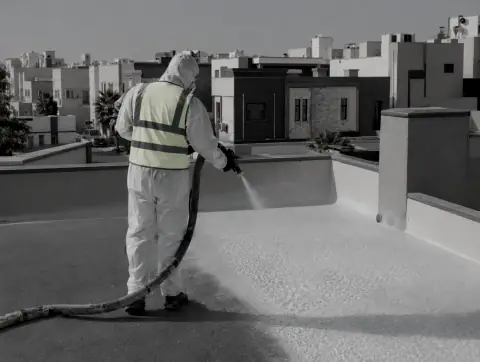
The chosen material goes on according to the surface type, whether liquid, membrane rolls, cementitious coating or epoxy, and is turned up at the walls and closed at every opening, joint and edge.
Cure, then finish
The layer is left to cure according to its type, then tiles or a protective coating go over it to shield it from sun and wear, and each material has its own curing requirement which we follow.
Why Abraj Al Azl?
The material fits the settingA tank needs a cementitious coat or epoxy, an exposed roof needs bitumen rolls or polyurethane, and using the wrong material undoes the work.
Start from Western Arabian Gulf with one messageSend us photos of the spot on WhatsApp and we will work out the next step with you.
Your request from Western Arabian Gulf comes to usCall or WhatsApp on one number, and we answer you ourselves.
Talk to us directlyCall or WhatsApp on the same number.
Some of our work

















What our customers said
ماشاء الله تبارك الرحمن عزل اسطح ممتاز
اتعاملت معاهم في العوازل عند كفيلي شغل يبيض الوجه انص التعامل معهم
أفضل شركة عزل اسطح الفوم وخزانات المياه
Real Google reviews, shown exactly as their authors wrote them.
Questions about waterproofing in Western Arabian Gulf
Why do roofs leak faster in coastal areas?
Coastal humidity causes rapid deterioration of materials and joints, and salt weakens concrete from within. Good waterproofing must resist both humidity and salt, not just water. Send photos of the affected areas so we can assess the damage precisely.
Is tank waterproofing different from roof waterproofing in coastal areas?
Yes, a tank carries additional water pressure and must withstand freshwater and external humidity together. A roof faces rain, sun and humidity only. Both need tight waterproofing but the application method differs based on location and use.
Do you offer waterproofing in Western Arabian Gulf?
Yes. Western Arabian Gulf is within our service area in the Eastern Province, and we also work in Eastern Arabian Gulf, Al Muruj (near Al Khafji) and Al Faisaliyah (near Al Khafji). Call us or send photos of the spot on WhatsApp.
Which signs of a leak call for waterproofing assessment?
A damp patch spreading on the ceiling or the wall, white salt appearing on the concrete, tiles or render peeling away, blistering in an old waterproof layer, and a damp smell in a closed room: all of these mean water is moving inside the wall or the slab and needs attention before it reaches the reinforcement.
Is waterproofing different from treating damp inside a wall?
Yes. Waterproofing is applied to the surface to stop water pushing through in the first place. Treating damp deals with water that has already entered the wall: the area is dried, salts are treated and the render is restored before a waterproof layer goes on to prevent it returning. Photos show which approach the situation needs.
What does full-building waterproofing cover in a single project?
Each location is treated with the material suited to it: the roof with its rolls or liquid coat, the tank with its cementitious or epoxy lining, the bathrooms and kitchens with a coat that closes the wall, the floor and the angles. We set out what is treated once we see photos of the whole building.
We also offer it in neighbouring areas
Nearby areas we also cover: Eastern Arabian Gulf, Al Muruj (near Al Khafji) and Al Faisaliyah (near Al Khafji).
More services in Western Arabian Gulf