Waterproofing in Al Qudayh (near Qatif)
Waterproofing in Al Qudayh begins with photos of the roof, tank or bathroom sent by call or WhatsApp. The town has residential buildings of varied age and size, and their roofs and walls need protection from leaks and damp.
Al Qudayh has a mix of old and new houses spread across various plots. Flat concrete roofs collect water and damp, and hairline cracks at joints and corners are common in older homes. Roof tanks face sun and heat, and external walls may suffer rain seepage or ground damp. Bathrooms and kitchens are most prone to leaks and moisture. Photo inspection shows the problem location and building condition before treatment is chosen.
- Al Qudayh is a town in the Eastern Province, near Al Bahari, Ash Shahba and Al Wasadah, with a mix of old and new residential homes.
- Bathrooms and kitchens in homes suffer recurring leaks at joints and corners, especially when water drains are old.
The main items of waterproofing in Al Qudayh (near Qatif)
- Choosing the right material for each location from cementitious coat, bitumen rolls, liquid membrane and epoxy
- Respecting the correct curing time for each material before the finish goes on
- Checking the surface and finding the entry points: cracks, joints and openings
- Laying a continuous layer that turns up at the walls and closes at every opening
The stages of the work in Al Qudayh (near Qatif)
Send photos of the problem
On WhatsApp: photos of the roof, wall, tank or bathroom with any visible stain or crack, so we can read the surface and point to the right material family.
Prepare the surface
The surface is cleaned of dust, oil and any old coating, and cracks, joints, drain openings and AC bases are treated, because any point left untreated becomes a future entry point for water.
Apply the waterproof layer
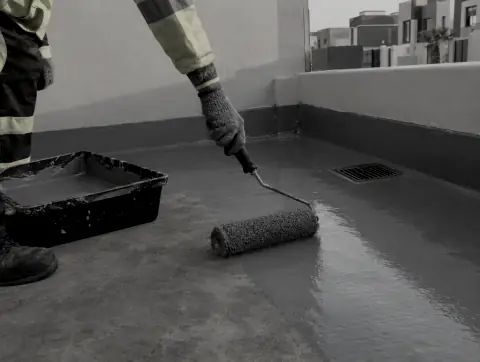
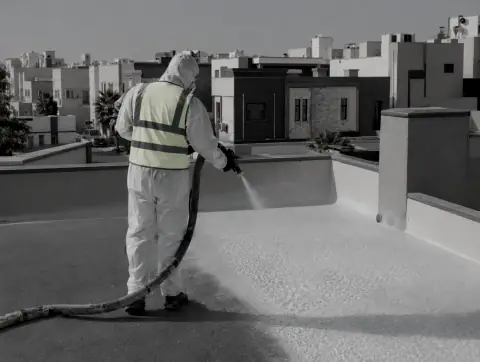
The chosen material goes on according to the surface type, whether liquid, membrane rolls, cementitious coating or epoxy, and is turned up at the walls and closed at every opening, joint and edge.
Cure, then finish
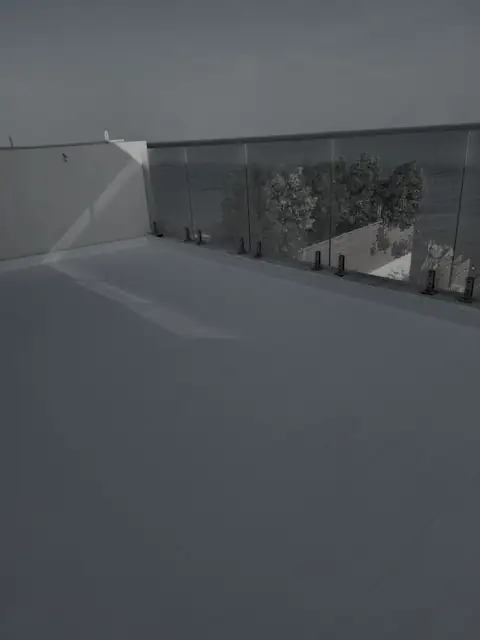
The layer is left to cure according to its type, then tiles or a protective coating go over it to shield it from sun and wear, and each material has its own curing requirement which we follow.
Why Abraj Al Azl?
The material fits the settingA tank needs a cementitious coat or epoxy, an exposed roof needs bitumen rolls or polyurethane, and using the wrong material undoes the work.
Start from Al Qudayh (near Qatif) with one messageSend us photos of the spot on WhatsApp and we will work out the next step with you.
Waterproofing in Al Qudayh (near Qatif)We choose the method and the materials once we know the condition of the spot.
Talk to us directlyCall or WhatsApp on the same number.
Some of our work

















What our customers said
ماشاء الله عملهم للعزل والتسريبات ممتاز وخبره ودقه في العمل انصح بالتعامل معهم
اتعاملت معاهم في العوازل عند كفيلي شغل يبيض الوجه انص التعامل معهم
ماشاء الله تبارك الرحمن عزل اسطح ممتاز
Real Google reviews, shown exactly as their authors wrote them.
Common questions on waterproofing in Al Qudayh (near Qatif)
Can an old house roof in Al Qudayh be waterproofed without removing tiles or gravel?
It depends on the roof condition beneath the tiles. Photos show whether there is actual leakage or only surface damp. In some cases we treat from above; in others, partial removal may be needed.
How do you handle damp in old Al Qudayh walls?
We first examine the damp source from your photos: is it from the roof, ground moisture, or pipe leakage? Each source needs different treatment, and we will advise what suits your case.
Do you offer waterproofing in Al Qudayh (near Qatif)?
Yes. Al Qudayh (near Qatif) is within our service area in the Eastern Province, and we also work in Al Bahari, Al Qadih (near Al Awwamiyah) and Ash Shahba. Call us or send photos of the spot on WhatsApp.
What does full-building waterproofing cover in a single project?
Each location is treated with the material suited to it: the roof with its rolls or liquid coat, the tank with its cementitious or epoxy lining, the bathrooms and kitchens with a coat that closes the wall, the floor and the angles. We set out what is treated once we see photos of the whole building.
Is waterproofing different from treating damp inside a wall?
Yes. Waterproofing is applied to the surface to stop water pushing through in the first place. Treating damp deals with water that has already entered the wall: the area is dried, salts are treated and the render is restored before a waterproof layer goes on to prevent it returning. Photos show which approach the situation needs.
Can waterproofing go over old tiles or must they be lifted?
It depends on the condition of the tiles and where the leak is coming from. If the tiles are firm and the joints are sound, treating from above may be enough. If tiles are loose or the leak is beneath them, they are lifted, the surface is waterproofed and everything is relaid. Photos settle the question before the work starts.
The same service in nearby areas
Nearby areas we also cover: Al Bahari, Al Qadih (near Al Awwamiyah) and Ash Shahba.
More services in Al Qudayh (near Qatif)