Waterproofing in Al Muruj (near Hafar Al-Batin)
Waterproofing in Al Muruj starts with a photo of the roof, tank or bathroom, sent by call or WhatsApp. The district mixes villas with mid-sized residential buildings, and each roof differs according to the age of the building and how it was built.
Al Muruj is made up mostly of villas and mid-rise residential blocks, many with flat roofs that need periodic care to the waterproof layer. Damp usually appears at the roof edges, drain outlets and the joints where the roof meets the walls. Because the blocks near Al Masif, Al Muhammadiyah and Al Safa look alike, the photos decide the actual condition of each building before a method is chosen.
- Al Muruj is a residential district in the Eastern Province, close to Al Masif, Al Muhammadiyah and Al Safa.
- Exposed villa roofs take the sun all day, which stresses the waterproof layer at the edges and joints.
The waterproofing work in Al Muruj (near Hafar Al-Batin)
- Cleaning the surface and treating cracks, edges and AC bases
- Checking the surface and finding the entry points: cracks, joints and openings
- Choosing the right material for each location from cementitious coat, bitumen rolls, liquid membrane and epoxy
- Respecting the correct curing time for each material before the finish goes on
The steps of waterproofing in Al Muruj (near Hafar Al-Batin)
Send photos of the problem
On WhatsApp: photos of the roof, wall, tank or bathroom with any visible stain or crack, so we can read the surface and point to the right material family.
Prepare the surface
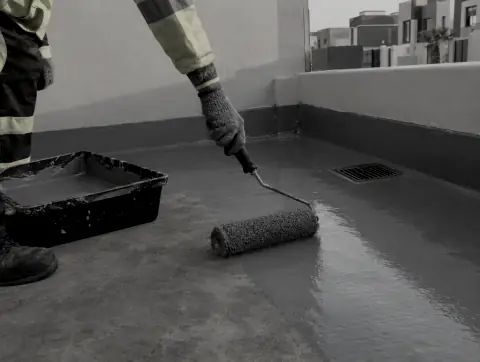
The surface is cleaned of dust, oil and any old coating, and cracks, joints, drain openings and AC bases are treated, because any point left untreated becomes a future entry point for water.
Apply the waterproof layer
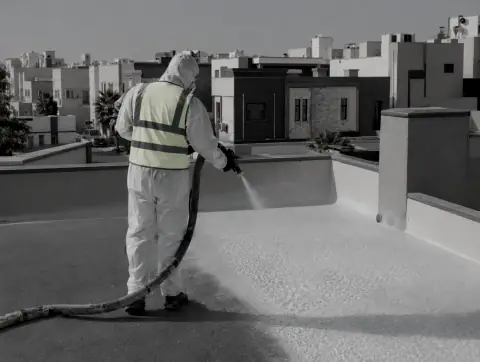
The chosen material goes on according to the surface type, whether liquid, membrane rolls, cementitious coating or epoxy, and is turned up at the walls and closed at every opening, joint and edge.
Cure, then finish
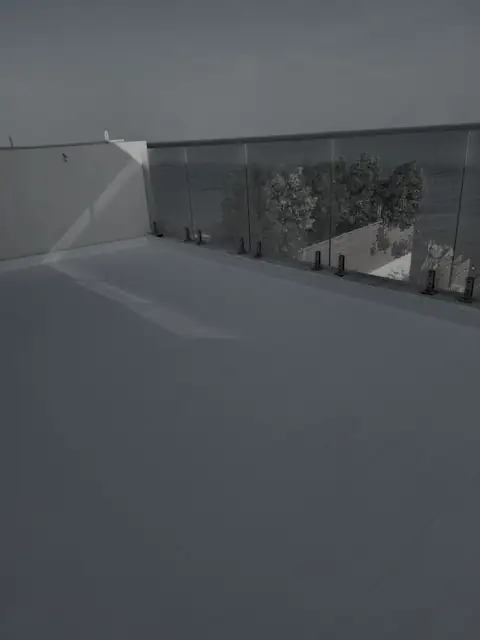
The layer is left to cure according to its type, then tiles or a protective coating go over it to shield it from sun and wear, and each material has its own curing requirement which we follow.
Why Abraj Al Azl?
Treatment at the source, not the symptomPainting over the stain does not stop the water; treating the entry points is what stops it.
Start from Al Muruj (near Hafar Al-Batin) with one messageSend us photos of the spot on WhatsApp and we will work out the next step with you.
Waterproofing in Al Muruj (near Hafar Al-Batin)We choose the method and the materials once we know the condition of the spot.
We reply 5 AM to 10 PMSaturday to Thursday, and Friday on its own hours.
Some of our work

















What our customers said
ماشاء الله عملهم للعزل والتسريبات ممتاز وخبره ودقه في العمل انصح بالتعامل معهم
ماشاء الله تبارك الرحمن عزل اسطح ممتاز
اتعاملت معاهم في العوازل عند كفيلي شغل يبيض الوجه انص التعامل معهم
Real Google reviews, shown exactly as their authors wrote them.
Common questions on waterproofing in Al Muruj (near Hafar Al-Batin)
Can an older villa roof in Al Muruj be waterproofed without removing the old layer?
Sometimes, if the old layer is bonded and sound. The photos show whether removal is needed; if not, we repair cracks and edges and then add the new layer.
What should I send you to assess waterproofing in Al Muruj?
Send clear photos of the roof from several angles, plus the edges and drain outlets if possible, by call or WhatsApp, and we will advise the next step.
Can one type of waterproofing work across the whole building?
No. An exposed roof needs a material that handles heat and movement, such as bitumen rolls or polyurethane. A tank needs a material that does not affect the water. A bathroom needs a coat that bonds to damp concrete. Epoxy suits surfaces exposed to standing water and chemicals. The wrong material means the job is done again.
Is waterproofing different from treating damp inside a wall?
Yes. Waterproofing is applied to the surface to stop water pushing through in the first place. Treating damp deals with water that has already entered the wall: the area is dried, salts are treated and the render is restored before a waterproof layer goes on to prevent it returning. Photos show which approach the situation needs.
Can waterproofing go over old tiles or must they be lifted?
It depends on the condition of the tiles and where the leak is coming from. If the tiles are firm and the joints are sound, treating from above may be enough. If tiles are loose or the leak is beneath them, they are lifted, the surface is waterproofed and everything is relaid. Photos settle the question before the work starts.
Do you offer waterproofing in Al Muruj (near Hafar Al-Batin)?
Yes. Al Muruj (near Hafar Al-Batin) is within our service area in the Eastern Province, and we also work in Al Masif (near Hafar Al-Batin), Al Muhammadiyah (near Hafar Al-Batin) and Al Safa (near Hafar Al-Batin). Call us or send photos of the spot on WhatsApp.
Areas near Al Muruj (near Hafar Al-Batin)
We also offer waterproofing in Al Masif (near Hafar Al-Batin), Al Muhammadiyah (near Hafar Al-Batin) and Al Safa (near Hafar Al-Batin), among the closest areas to Al Muruj (near Hafar Al-Batin).
More services in Al Muruj (near Hafar Al-Batin)