Underground pipe & network leak detection in Ghanwa
Underground leak detection in Ghanwa begins with a photo of the suspect area sent by call or WhatsApp. The hamlet contains scattered farms and homes, each served by pipes that may seep slowly without visible signs in the early days.
In Ghanwa, pipes run through variable sandy and clay soil, causing uneven stress on the lines. Old pipes may crack at weak points or joints, and slow leaks waste large amounts of water over weeks. Moisture from the leak may seep deep into soil or show as a damp patch far from the original leak point. Electronic detection traces the water path underground and pinpoints the exit. Photos clarify network length, soil type and connected buildings.
- Ghanwa is a small hamlet in the Eastern Province, close to Az Zughayn, Al Khubrah and As Sarrar, with scattered homes and land.
- Varied soil in rural hamlets causes different gradients in water pressure on pipes, increasing the risk of cracks and leaks.
The scope of the work in Ghanwa
- Injecting tracer gas where needed and detecting where it surfaces
- Digging only at the marked point and backfilling after the repair
- Narrowing the search to one point before any digging
- Using a thermal camera to read soil temperature change
From first contact to the finished job in Ghanwa
Send photos of the problem
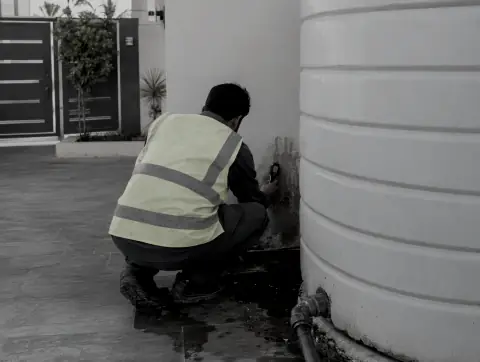
On WhatsApp: photos of the meter turning, the wet or sunken ground and any cracks in the nearby floor, so we can read the network and choose the right instruments.
Survey the site with instruments
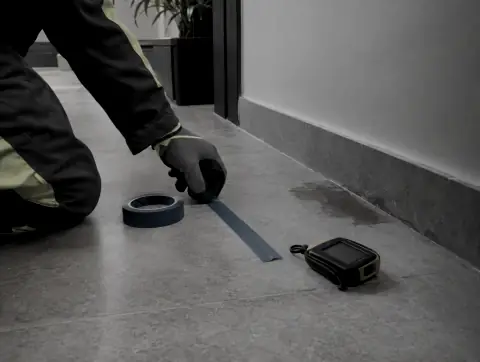
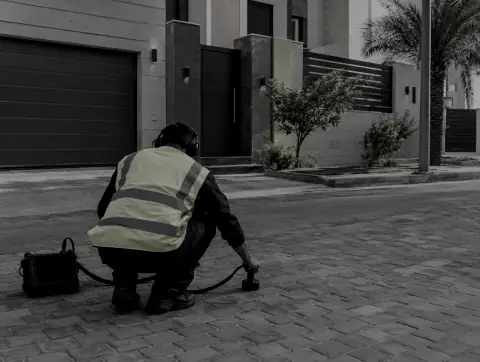
The likely pipe route is walked with a ground microphone or an acoustic correlator. Where needed, a thermal camera or tracer gas is added until the search narrows to one point.
Mark the exact point
When the instrument readings converge the point is marked on the surface. The digging plan is agreed before work starts, because precise digging limits damage and shortens the repair.
Open and repair
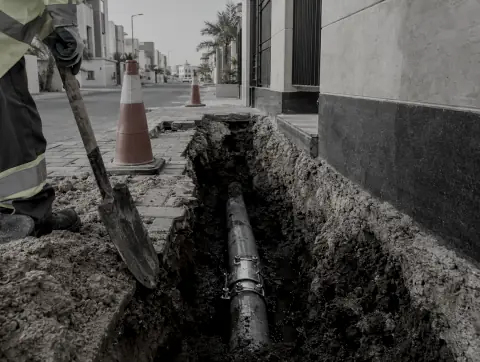
Only the marked point is opened, the pipe is exposed and repaired, the trench is filled and the surface is restored to match what was there before.
Why Abraj Al Azl?
One trench, not random diggingLocating before digging means opening the ground once, which protects the floor finish, paving and any other buried service nearby.
Your request from Ghanwa comes to usCall or WhatsApp on one number, and we answer you ourselves.
Start from Ghanwa with one messageSend us photos of the spot on WhatsApp and we will work out the next step with you.
We reply 5 AM to 10 PMSaturday to Thursday, and Friday on its own hours.
Some of our work

















What our customers said
ماشاء الله عملهم للعزل والتسريبات ممتاز وخبره ودقه في العمل انصح بالتعامل معهم موفقين يارب
ماشاء الله تبارك الرحمن عزل اسطح ممتاز
اتعاملت معاهم في العوازل عند كفيلي شغل يبيض الوجه انص التعامل معهم
Real Google reviews, shown exactly as their authors wrote them.
Questions about underground pipe & network leak detection in Ghanwa
If you see a damp patch in your land in Ghanwa, is the leak directly beneath it?
Not necessarily. Leaking water may move sideways in the soil before appearing on the surface. Electronic detection traces the pipe itself and pinpoints the crack accurately; it may be many metres away from the damp patch.
How deep are pipes in Ghanwa, and does that affect leak detection?
Depth varies by pipe location and soil type. Electronic instruments detect leaks at different depths, but photos and description help us choose the right tool before detection begins.
Is detecting a leak under floor tiles inside the building different from pipes in the yard?
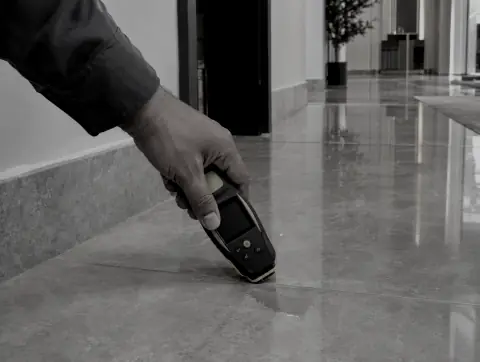
Yes. Leaks under floor tiles inside a building call for their own tools: a moisture meter, a thermal camera and careful listening in a closed space, then opening a minimal tile section and matching the finish. That case has its own dedicated service listed below.
What should I send you from Ghanwa?
Send clear photos of the spot and a short description of the problem on WhatsApp, mention that you are in Ghanwa, and we will work out the next step with you.
What instruments are used to detect leaks in underground pipes?
A ground microphone picks up the sound of water escaping from the pipe. An acoustic correlator connects two points on the line and calculates where the leak is. A thermal camera reads the temperature difference in the soil above the water. Tracer gas is pumped into the pipe and detected at the surface where it escapes. The instrument is chosen by the pipe type, its depth and the soil.
Can the digging affect other buried services in the same area?
That is a real risk when digging without prior location. That is why we trace the pipe route first and check the positions of other buried services as far as possible before starting, so the opening is limited to what is necessary.
The same service in nearby areas
We also offer underground pipe & network leak detection in Az Zughayn, Al Khubrah and As Sarrar, among the closest areas to Ghanwa.
More services in Ghanwa