Pipe insulation in Al-Barazi
Pipe insulation in Al-Barazi begins with a photo or call about the pipe route and type. The hamlet has small residential buildings with wells and rural facilities, where pipes run from tanks to rooftops and passages; insulation thickness depends on type and location.
In Al-Barazi, pipes from wells and tanks carry water over long distances before reaching homes. Extreme summer heat and direct roof exposure affect water temperature and delivery speed. Insulation reduces heat loss in hot water lines and protects pipes from excessive expansion and contraction. Photos of the pipe route and distances help us determine insulation needs.
- Al-Barazi is a hamlet in the Eastern Province, close to An Nazim, Darb Al Ibil and Al Qalt.
- Pipes running from wells carry water through open ground, so insulation preserves temperature and reduces evaporation.
The main items of pipe insulation in Al-Barazi
- Fitting protective cladding on sections exposed to the sun
- Closing the insulation as one continuous run with no gaps along the route
- Removing the failed layer and treating the pipe surface before insulating
- Inspecting the pipe route, joints, elbows and wall penetrations
This is how we work in Al-Barazi
Send photos of the pipes
On WhatsApp: photos of the pipes and their routes, noting whether they are on the roof, in the plant room or buried in the wall, so we can identify the right insulation type.
Inspect the route and find the weak points
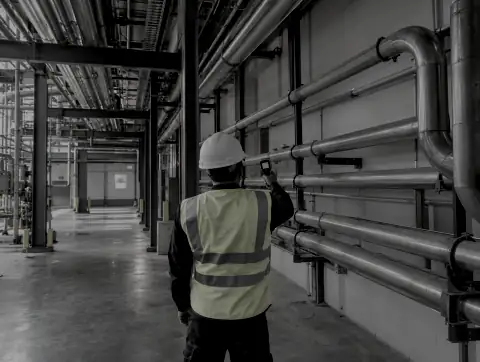
The pipes are checked along their full route: joints, elbows, valve bases and the points where they pass through walls, as these are usually where the insulation fails first.
Clean and prepare the surface
Remains of the old damaged layer, rust and dirt are removed from the pipe surface, and any rust patches are treated before the new insulation goes on so they do not continue beneath it.
Apply and clad the insulation
The sleeve or wrap suited to the pipe type and its location is applied, then covered with protective cladding where the pipe is exposed to sun or movement, keeping the insulation tight and continuous with no gaps.
Why Abraj Al Azl?
No more dripping on ceilingsAn insulating layer on a cold pipe stops direct contact between the pipe surface and the humid air, and condensation stops forming.
Pipe insulation in Al-BaraziWe choose the method and the materials once we know the condition of the spot.
Start from Al-Barazi with one messageSend us photos of the spot on WhatsApp and we will work out the next step with you.
We reply 5 AM to 10 PMSaturday to Thursday, and Friday on its own hours.
Some of our work

















What our customers said
أفضل شركة عزل اسطح الفوم وخزانات المياه
اتعاملت معاهم في العوازل عند كفيلي شغل يبيض الوجه انص التعامل معهم
ماشاء الله تبارك الرحمن عزل اسطح ممتاز
Real Google reviews, shown exactly as their authors wrote them.
Questions about pipe insulation in Al-Barazi
Should well pipes in Al-Barazi be insulated even if they are underground?
Underground pipes are cooler than rooftop ones but still lose heat. Insulation depends on well depth, water temperature and distance to the home. Send photos and describe the pipe run so we can decide together.
Do you insulate pipes in small rural structures?
Yes, we serve Al-Barazi. Send photos of the main pipes, their route and the structures they serve, and we will plan access and insulation with you.
What is the difference between water pipe insulation and AC pipe insulation?
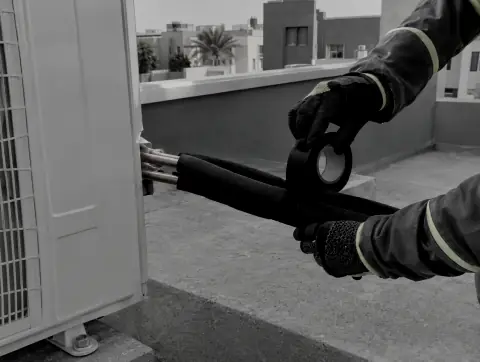
Water pipe insulation covers hot water lines, cold water lines and chilled-water circuits. AC pipe insulation means the thin copper refrigerant lines and condensate drains, which differ in what they carry and in the sleeve material they need. Each has its own treatment.
How do I request pipe insulation in Al-Barazi?
Call us, or send clear photos of the spot and its location in Al-Barazi on WhatsApp, and we will work out the next step with you.
Why does condensation form on pipes inside the building?
When the pipe surface temperature falls below the dew point of the surrounding air, water vapour condenses on the surface and drips. This happens on cold water and chilled-water lines and is worse in humid conditions. The insulation layer raises the outer surface temperature and stops the condensation.
How do I know the pipe insulation has failed and needs replacing?
Signs of failure include the layer blistering, cracking or crumbling, condensation or dripping appearing on the pipe surface, energy bills rising without a clear reason, and expansion sounds in the pipes when the temperature changes. Send photos of the sections you are worried about and we will assess their condition.
We also offer it in neighbouring areas
If the site is outside Al-Barazi, the same service is available in An Nazim, Darb Al Ibil and Al Qalt.
More services in Al-Barazi