Thermal insulation in As Salam (near Sayhat)
Thermal insulation for walls and building surfaces in As Salam begins with photos of areas to be insulated, sent by call or WhatsApp. The district contains residential and institutional buildings of varied types, with roofs and walls facing intense heat and potentially affected by moisture from the nearby sea.
As Salam mixes residential houses and villas with multi-storey institutional buildings. Flat, exposed roofs face direct sunlight all day, and external walls retain and transmit heat indoors. Coastal humidity may affect buildings near the shore. Thermal insulation for roofs and walls reduces both heat and moisture entry, easing cooling system load. Insulation method varies by building age, materials and location. Photos show the condition of each roof and wall before the solution is chosen.
- As Salam is a district in the Eastern Province near Sayhat, Al Ferdous and Ad Dirah Two, containing diverse residential and institutional buildings.
- Flat roofs in coastal areas face both sun heat and humidity, increasing the building's need for thermal insulation.
The thermal insulation work in As Salam (near Sayhat)
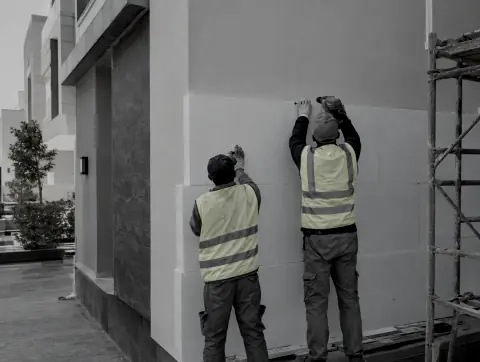
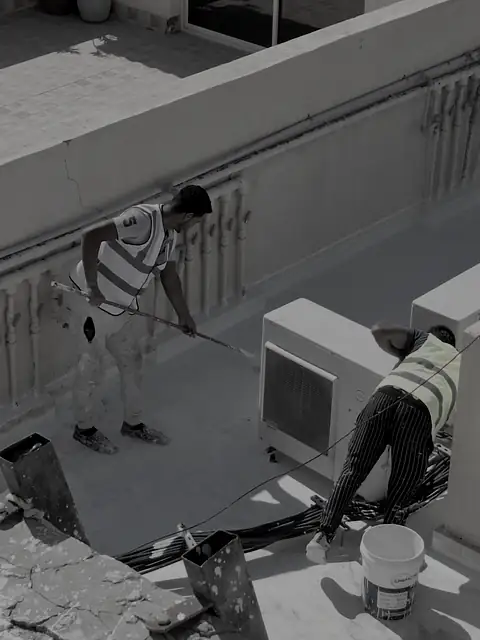
- Applying the insulating layer to walls, pipes or glass
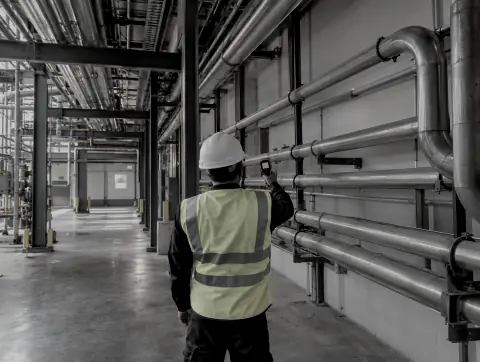
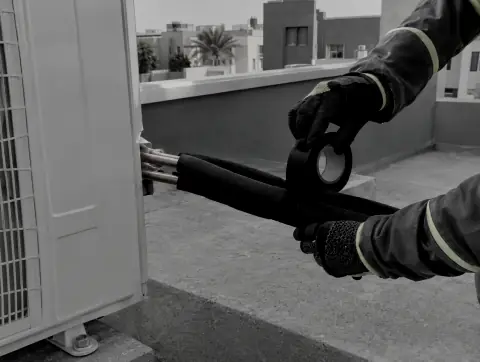
- Hot and cold water pipes, AC pipes, external walls and windows
- Inspecting the surface and identifying heat-entry points in the building
- Adding the protective or finishing layer once dry
From first contact to the finished job in As Salam (near Sayhat)
Send photos and describe the problem
On WhatsApp: photos of the surface, wall, pipes or glass in question, with a short description of what you notice, so we can identify where the heat enters and what material fits.
Inspect the surface and decide the treatment
The surface is inspected and the right insulating material is chosen: foam or boards for walls, sleeves or wraps for pipes, reflective coating or film for glass. The choice turns on the surface type, its position and its sun exposure.
Prepare the surface
The surface is cleaned of dust and deposits, and any cracks or protrusions that could prevent the insulating material from bonding or reduce its effect are treated first.
Apply the insulation and finish
The insulating material is applied according to the surface, then left to cure, and the protective or finishing layer the material requires is added on top.
Why Abraj Al Azl?
Less strain on the ACLess heat entering means the AC reaches the set temperature sooner and stops running continuously.
Start from As Salam (near Sayhat) with one messageSend us photos of the spot on WhatsApp and we will work out the next step with you.
We serve As Salam (near Sayhat) and around itIncluding Sayhat, Al Ferdous (near Sayhat) and Ad Dirah Two, as part of our work across the Eastern Province.
We reply 5 AM to 10 PMSaturday to Thursday, and Friday on its own hours.
Some of our work

















What our customers said
ماشاء الله عملهم للعزل والتسريبات ممتاز وخبره ودقه في العمل انصح بالتعامل معهم
اتعاملت معاهم في العوازل عند كفيلي شغل يبيض الوجه انص التعامل معهم
أفضل شركة عزل اسطح الفوم وخزانات المياه
Real Google reviews, shown exactly as their authors wrote them.
What customers ask in As Salam (near Sayhat)
How does thermal insulation protect against coastal humidity effects?
Thermal insulation reduces moisture entry from outside by blocking both water and heat seepage. We may need additional layers or special treatment of gaps and cracks in coastal areas. Photos help determine whether existing moisture problems need treatment before insulation.
Do institutional buildings in As Salam need different thermal insulation?
Yes, larger institutional buildings may need a different insulation strategy from houses. Extensive external walls and large exposed roofs require consistent and robust insulation. Send photos of the building and tell us its use so we can determine the best insulation approach with you.
What is the difference between thermal insulation and waterproofing?
Waterproofing stops water moving through a surface. Thermal insulation slows heat moving through it. Some materials partly do both, such as foam applied to roofs, but each is a different material for a different purpose. If the problem is damp or a leak, it is a waterproofing question. If it is incoming heat and a high bill, it is thermal insulation.
How do I know where heat is entering my building?
A wall or ceiling hot to the touch inside is a clear sign. Condensation on cold pipes in hot air, drips under AC lines, and glass that radiates heat when closed are all signs pointing to the location. Send us photos, describe what you notice, and tell us which rooms are hottest and which direction they face.
Do you offer thermal insulation in As Salam (near Sayhat)?
Yes. As Salam (near Sayhat) is within our service area in the Eastern Province, and we also work in Sayhat, Al Ferdous (near Sayhat) and Ad Dirah Two. Call us or send photos of the spot on WhatsApp.
What materials are used in building thermal insulation?
Materials vary by surface: polyurethane foam for roofs and walls where thick insulation is needed, boards for internal and external walls, reflective coating for roofs and facades that need a light layer, sleeves and wraps for pipes, and thermal film for glass. What suits a concrete wall does not necessarily suit a copper pipe in a plant room.
The same service in nearby areas
We also offer thermal insulation in Sayhat, Al Ferdous (near Sayhat) and Ad Dirah Two, among the closest areas to As Salam (near Sayhat).
More services in As Salam (near Sayhat)