Foam insulation (polyurethane) in Abu Koola
Foam insulation in Abu Koola begins with photos of the roof or walls to be insulated, sent by call or WhatsApp. Abu Koola is a residential district of villas and small buildings, and foam insulation reduces heat gain and improves cooling efficiency.
Abu Koola comprises scattered villas and small residential buildings with exposed concrete roofs. Flat roofs and outer walls face sun and intense heat all day, especially in summer, increasing the load on air conditioning. Sprayed foam creates a continuous insulating layer on the roof or wall that efficiently cuts heat transfer. Photos help assess the surface condition and any cracks or damp spots before work begins.
- Abu Koola is a district in the Eastern Province, near Shari, Salasil and Usayfirat, with scattered villas and small residential buildings.
- Separate villas and small buildings each need individual insulation, with exposed roofs most affected by direct heat.
What the service covers in Abu Koola
- Spraying polyurethane foam in continuous layers
- Checking the layer after curing and setting
- Cleaning the surface and treating cracks and damp areas
- Inspecting the roof or wall and deciding the right foam type
How we carry out foam insulation (polyurethane) in Abu Koola
Send photos of the surface
On WhatsApp: photos of the roof, wall or sheets from different angles, so we can identify the right foam type and the treatment needed before anything else.
Prepare the surface
The surface is cleaned, loose layers and dust are removed, visible cracks are treated and anything that moves is fixed, so the foam bonds to a solid base.
Spray and let it set
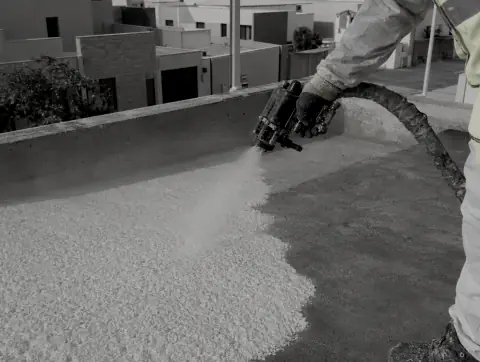
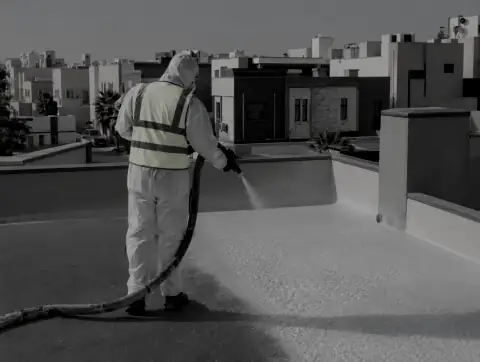
The two components are mixed and sprayed in one pass; the foam expands and covers the surface in continuous layers. It is left to cure and set hard before the next step.
The protective coat
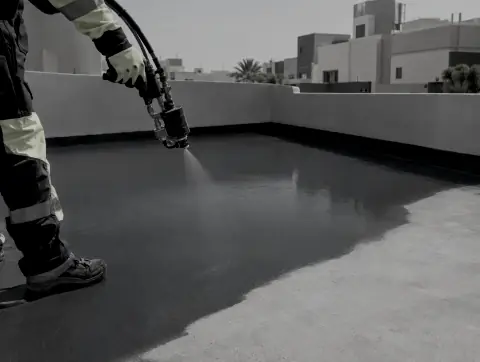
The foam is covered with a protective coat suited to the surface: a reflective paint, render or cladding. This coat shields the foam from UV and wear and extends its life.
Why Abraj Al Azl?
One seamless layer with no gapsFoam expands into every small detail and leaves no path for heat or moisture behind the layer.
Foam insulation (polyurethane) in Abu KoolaWe choose the method and the materials once we know the condition of the spot.
Your request from Abu Koola comes to usCall or WhatsApp on one number, and we answer you ourselves.
Talk to us directlyCall or WhatsApp on the same number.
Some of our work

















What our customers said
أفضل شركة عزل اسطح الفوم وخزانات المياه
اتعاملت معاهم في العوازل عند كفيلي شغل يبيض الوجه انص التعامل معهم
ماشاء الله عملهم للعزل والتسريبات ممتاز وخبره ودقه في العمل انصح بالتعامل معهم
Real Google reviews, shown exactly as their authors wrote them.
Before you book foam insulation (polyurethane) in Abu Koola
Does foam help reduce electricity bills in Abu Koola?
Yes, foam reduces heat gain through the roof and walls, easing the load on cooling systems. The result depends on current conditions and foam thickness used. Send us photos so we can assess your situation.
Is foam safe on older villa roofs in Abu Koola?
Foam is safe on most sound concrete roofs. If an older roof has large cracks or active leaks, those must be addressed first. Send clear photos of the roof and we will tell you what is needed.
Do you cover Abu Koola?
Yes. We serve Abu Koola and nearby areas such as Shari, Salasil and Usayfirat, from our base in Al Uwaymiriyah, Hofuf. Start with a call or a WhatsApp message.
Which surfaces suit foam insulation most?
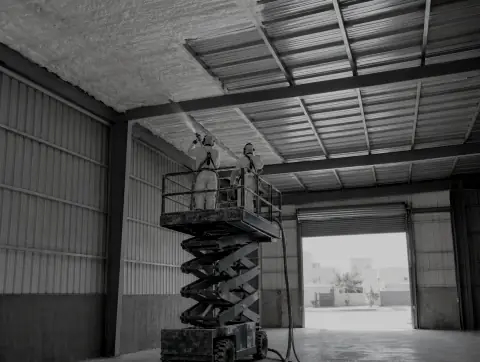
Corrugated sheets, external walls and large hangars benefit most from foam because it bonds to both metal and concrete and fills the corrugations. On a plain concrete roof, foam competes with membranes and polyurea depending on the surface condition. Each application has its own section below.
What happens if the foam is left without a protective coat?
Foam left open to direct sun is damaged by UV over time and begins to crumble at the surface. The protective coat shields it and extends its working life. In every application we choose the right coat from the photos.
What is the difference between open-cell and closed-cell foam?
Closed-cell foam is denser and harder, resists water and gives stronger thermal performance; it is used on roofs and external walls. Open-cell foam is lighter and more flexible but does not resist water. The surface and the application decide which type is right.
More services in Abu Koola