Wall damp treatment in Al Fayha (near Sayhat)
Wall damp treatment in Al Fayha begins with a photo of the affected wall, sent by call or WhatsApp. The district has houses, villas and small buildings on varying plots, and damp appears in walls in different forms depending on the building's location and foundation.
Al Fayha has older houses and newer buildings, many on plots that may be damp. Older walls show wet patches, peeling paint and white salt deposits, especially on lower floors and in corners. Damp can come from the foundation, external seepage or penetration from adjoining walls. Treatment depends on the source: removing salt and damaged plaster, clearing damp, and photos show the extent of damage before the method is chosen.
- Al Fayha is a district in the Eastern Province, close to Al Kuthriah, As Sinaiyah and An Noor, with houses and villas on varying plots.
- Foundations in residential districts may be exposed to ground moisture, with the effects appearing first in lower walls and corners.
The wall damp treatment work in Al Fayha (near Sayhat)
- Applying a barrier compound or penetrating treatment suited to the damp type
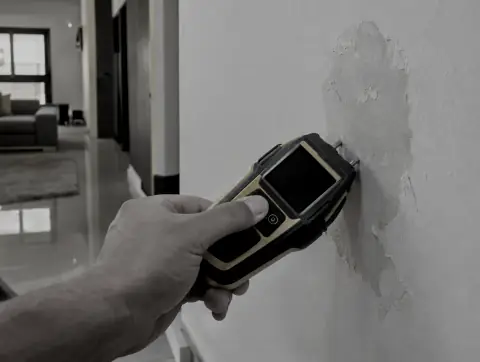
- Checking the wall and identifying the damp type and its source
- Cleaning cracks and treating the wall base or entry points
- Replastering with a damp-resistant render and leaving it to cure
The steps of wall damp treatment in Al Fayha (near Sayhat)
Send photos of the wall
On WhatsApp: photos of the stains, the salts, the base of the wall and the surrounding area, so we can read the type of damp and decide the right treatment steps for the situation.
Locate the source and assess the damage
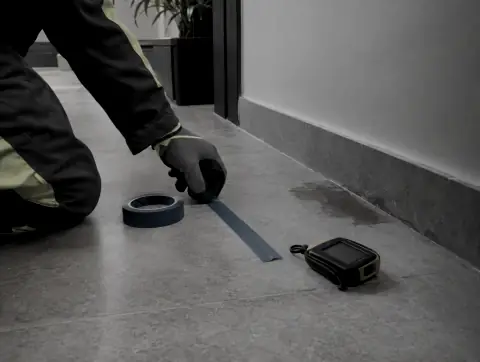
All four sides of the wall are checked, and the cracks and entry points in the render and at the base are identified. Whether the source is rising from the ground or penetrating from outside is established before the treatment is chosen.
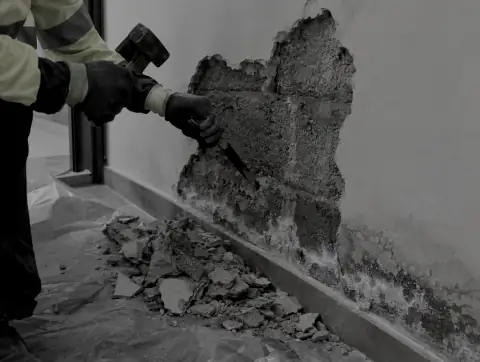
Remove damaged render and treat the base
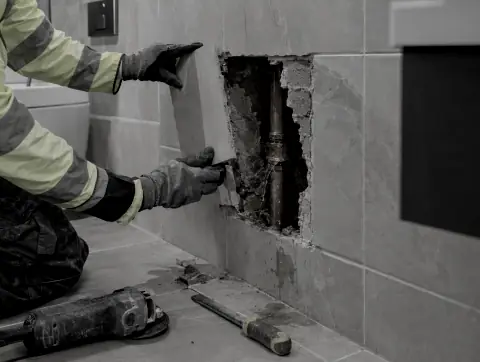
The render that has absorbed damp and salts is removed, the cracks are cleaned, and the base of the wall or the entry zone is treated with a barrier compound or a penetrating product suited to the damp type and the surface.
Damp-resistant render and finish
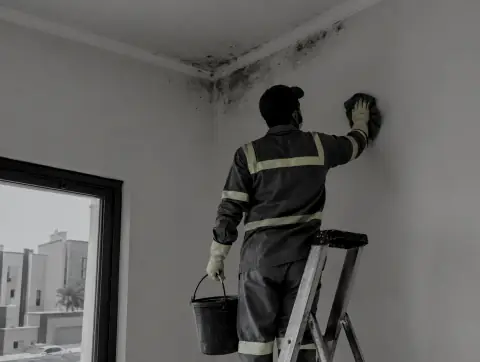
The wall is replastered with a damp-resistant render, left to dry and cure fully, then painted. Any residual damp that works through later shows in the new layer where it can be seen, not behind it.
Why Abraj Al Azl?
No more peeling after repaintingRemoving the damaged render and treating the source stops salts from pushing the new layers off the wall.
Start from Al Fayha (near Sayhat) with one messageSend us photos of the spot on WhatsApp and we will work out the next step with you.
Your request from Al Fayha (near Sayhat) comes to usCall or WhatsApp on one number, and we answer you ourselves.
We reply 5 AM to 10 PMSaturday to Thursday, and Friday on its own hours.
Some of our work

















What our customers said
ماشاء الله عملهم للعزل والتسريبات ممتاز وخبره ودقه في العمل انصح بالتعامل معهم موفقين يارب
أفضل شركة عزل اسطح الفوم وخزانات المياه
اتعاملت معاهم في العوازل عند كفيلي شغل يبيض الوجه انص التعامل معهم
Real Google reviews, shown exactly as their authors wrote them.
Common questions on wall damp treatment in Al Fayha (near Sayhat)
Why does white salt appear on my house walls in Al Fayha?
White salt appears when moisture dries on the wall, signalling rising damp from the ground or external seepage into the building. The deposits are removed and the damp sources are treated together to prevent recurrence.
Can damp be treated in old walls without demolishing them?
Yes, in most cases. Damaged plaster and salt are removed, then damp is treated with methods that preserve the wall. Photos show whether the damage is structural or surface only.
Is a damp-proof paint enough to stop the peeling?
A damp-proof paint slows the visible signs but does not stop the source. Rising or penetrating damp keeps moving beneath the new layer until it pushes it off and the peeling returns. A lasting result starts with removing the damaged render and treating the source before the finish is reinstated.
When does the result show on the wall?
Once the new render has dried and cured, salt deposits and peeling stop coming from the treated layer. The concrete behind the wall may take time to release the moisture already locked inside it, which is normal and does not mean the treatment has failed. Walls exposed to an ongoing external source also need that source treated from the outside.
Can one wall be treated without disturbing the whole room?
In most cases yes. The work is confined to the wall or the section that is damaged. If the damage is limited, only that area of render is removed, treated and reinstated. Furniture and belongings near the wall should be moved before the work starts, and we tell you what to clear when the job is agreed.
What should I send you from Al Fayha (near Sayhat)?
Send clear photos of the spot and a short description of the problem on WhatsApp, mention that you are in Al Fayha (near Sayhat), and we will work out the next step with you.
The same service in nearby areas
If the site is outside Al Fayha (near Sayhat), the same service is available in Al Kuthriah, An Noor (near Ohod) and As Sinaiyah (near An Nabiyah).
More services in Al Fayha (near Sayhat)